






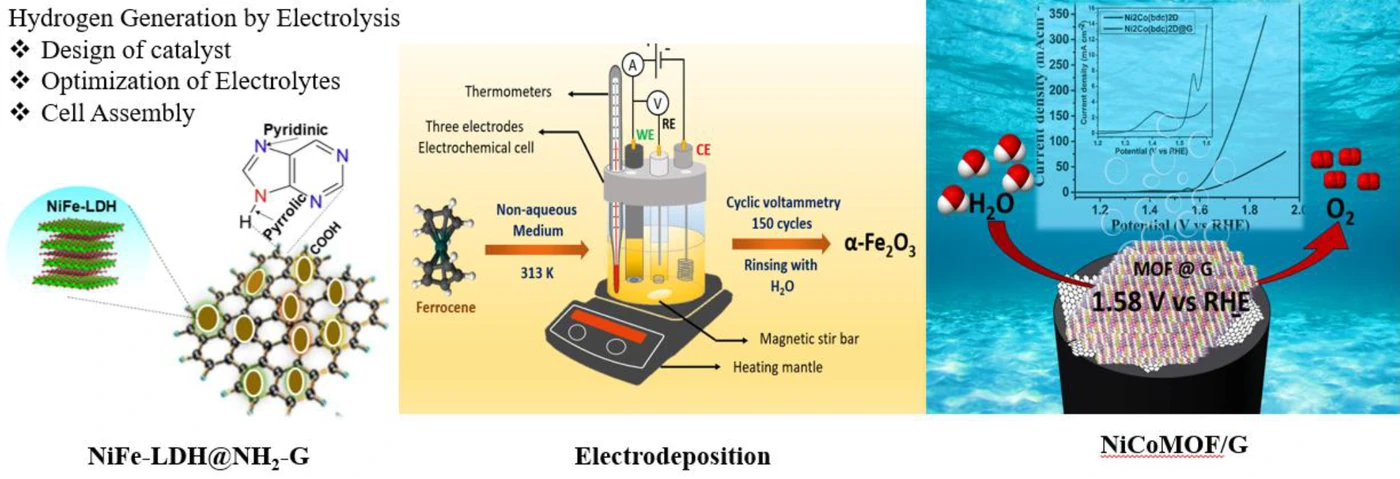
The efficiency of H2 production from the water will dictate the pace of the global transition to a Hydrogen Economy, and we are involved in the pursuit of high-performance electrocatalysts based on first-row transition elements synthesised by different methods like solvothermal, electrodeposition, coprecipitation characterized by highactivity, exceptional stability, and exclusive selectivity. We are engaged in analyzing the dynamic alterations of catalysts under catalytic turnover settings for the oxygen evolution reaction (OER)and hydrogen evolution reaction (HER).
 Our lab transforms waste into high-value materials to address environmental and energy challenges. By extracting metals from e-waste, we develop electrocatalysts for hydrogen generation through water and urea oxidation, as well as CO₂ reduction. Additionally, we used waste toner and NiMH batteries into adsorbents for removing fluoride, iron, and arsenic from water. Guided by green chemistry and circular economy principles, we provide sustainable solutions for renewable energy and water purification.
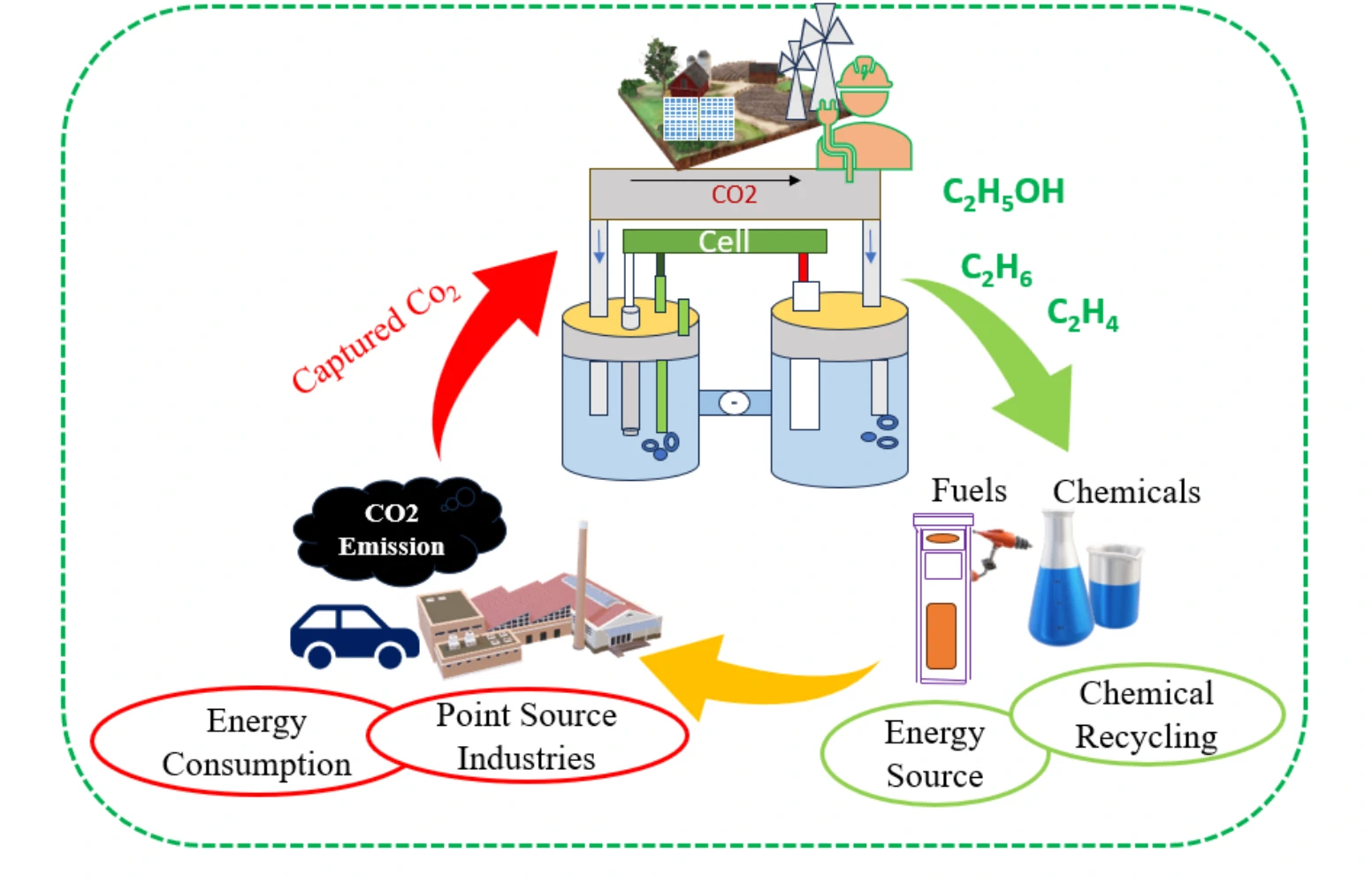 Our team is focused on Electrochemical CO2 Reduction (ECO₂R) by developing innovative catalysts and optimizing reaction conditions for improved efficiency and selectivity. We focus on converting CO2 into valuable chemicals and fuels with minimal energy input, using high-performance catalysts to reduce operational costs. By enhancing reaction kinetics, stability, and scalability, we aim to make ECO₂R commercially viable. Our goal is to enable global deployment, reducing CO2 emissions while creating economic value through marketable products, contributing to a sustainable, carbon-neutral future.
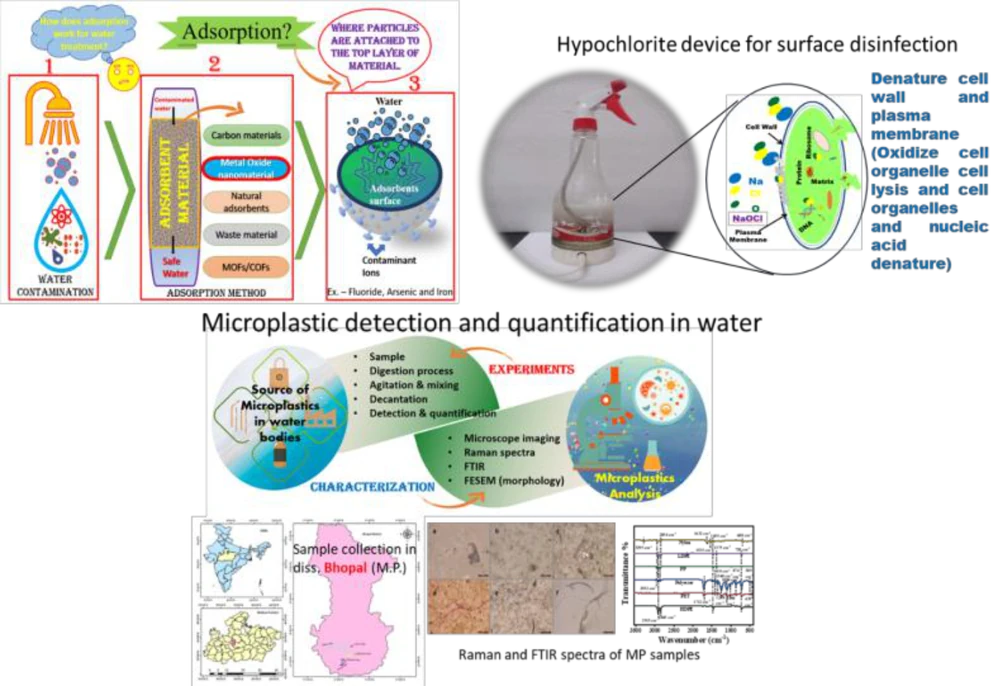 Our lab develops advanced, sustainable materials for water purification, targeting contaminants like fluoride, arsenic, iron, and harmful bacteria (e.g., E. coli) through innovative adsorbents. We’ve also created an eco-friendly hypochlorite device that produces disinfectant from salt and water, offering a cost-effective, chemical resolution for homes, hospitals, and public spaces. Additionally, we study microplastic contamination in water and ecosystems, conducting lab and field analyses, including in the Bhopal region, to understand its impact and pathways and to inform sustainable waste management strategies.