

FUNDING AGENCIES / COLLABORATES
CONFERENCE/INVITED TALK/WORKSHOP
- Talk: Helmholtz Zentrum Berlin for Materials and Energie, Berlin, Germany (Oct 2010).
- Talk: Maxplanck Institute for Chemical Energie Conversion, Muellheim, Germany. (Nov 2010)
- Talk: Advanced Materials and Processes Research Institute, Bhopal. (Dec 2015) § Poster presentation:Advanced EPR for material and energy research, HZB, Berlin. 2011. § Poster presentation: Inorganic symposium 2009, University of Melbourne, Australia. (Dec 2009)
- Poster presentation: Electromaterial Symposium, University of Wollongong, Australia. (Feb 2011)
- Paper presentation: New trends in coordination, bio-inorganic and applied inorganic chemistry, 2011, Slovakia. (Dec 2011)
- Conference Attended: International conference on the application of the Mossbauer effect, IIT Kanpur. (Oct 2007).
- Workshop Attended: Application of high resolution of X-Ray technique, SN Bose National Center for Basic Science. (March 2008)
- Workshop Attended: ACES synchrotron Melbourne workshop, Australian Synchrotron Center, Australia. (July 2010)
- Workshop Attended: Material engineering and waste management for thermal power plant, CSIR-AMPRI, Bhopal. (Aug 2016)
- Workshop Attended: Training cum workshop on patent and project management, CSIR-AMPRI, Bhopal. (Oct 2015)
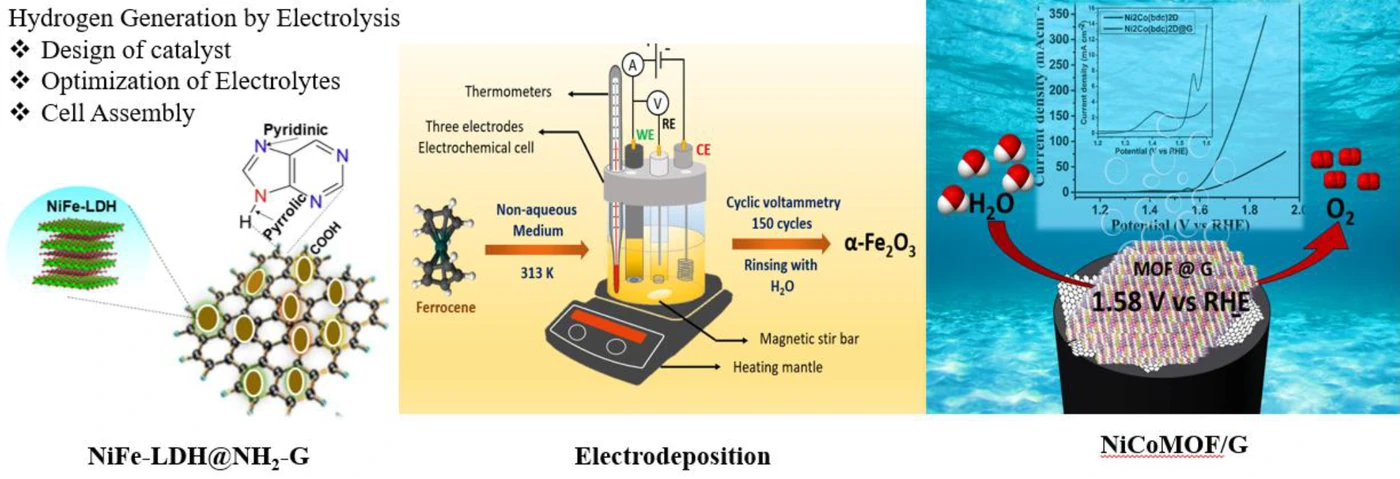

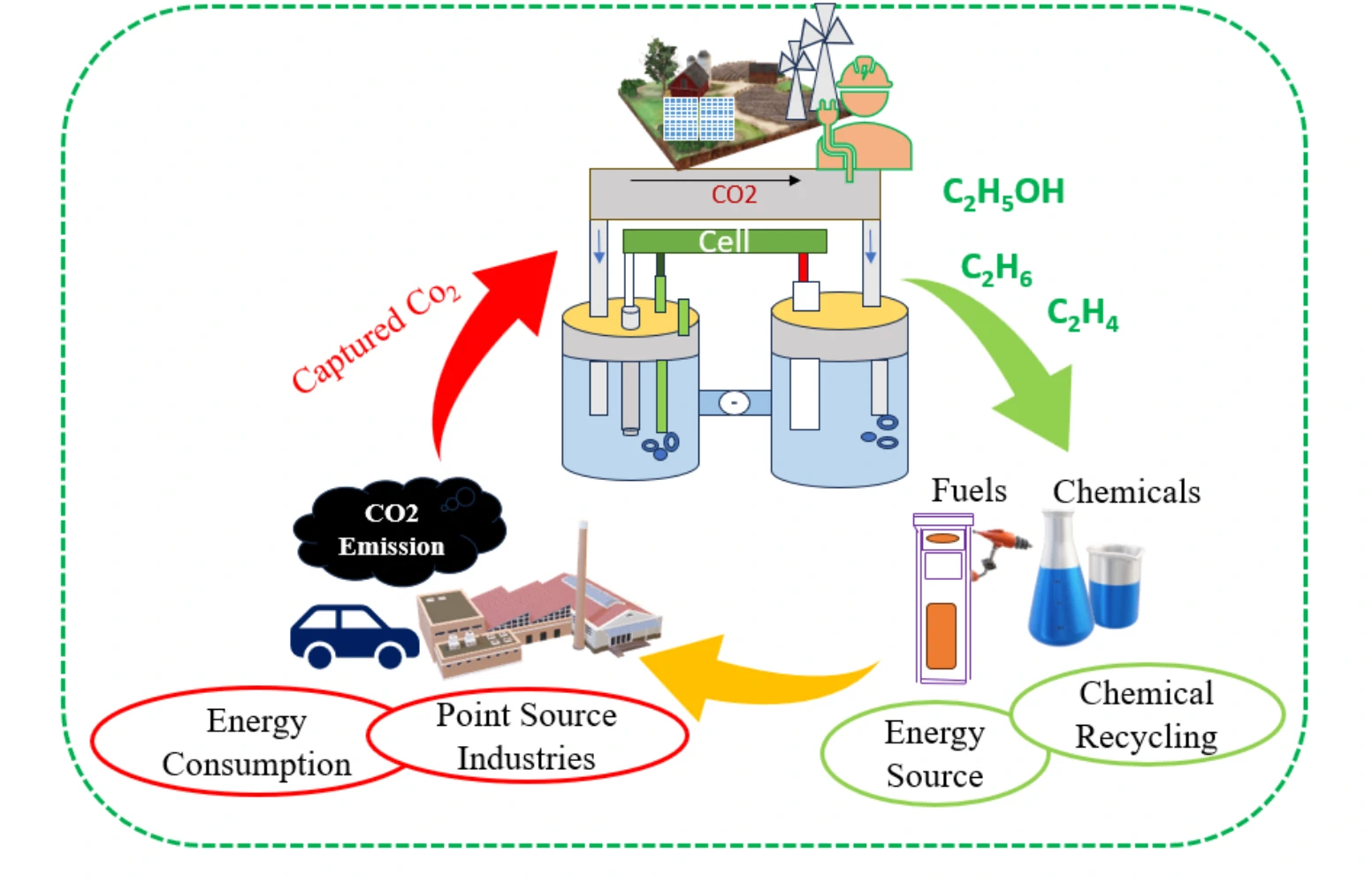 Our team is focused on Electrochemical CO2 Reduction (ECO₂R) by developing innovative catalysts and optimizing reaction conditions for improved efficiency and selectivity. We focus on converting CO2 into valuable chemicals and fuels with minimal energy input, using high-performance catalysts to reduce operational costs. By enhancing reaction kinetics, stability, and scalability, we aim to make ECO₂R commercially viable. Our goal is to enable global deployment, reducing CO2 emissions while creating economic value through marketable products, contributing to a sustainable, carbon-neutral future.
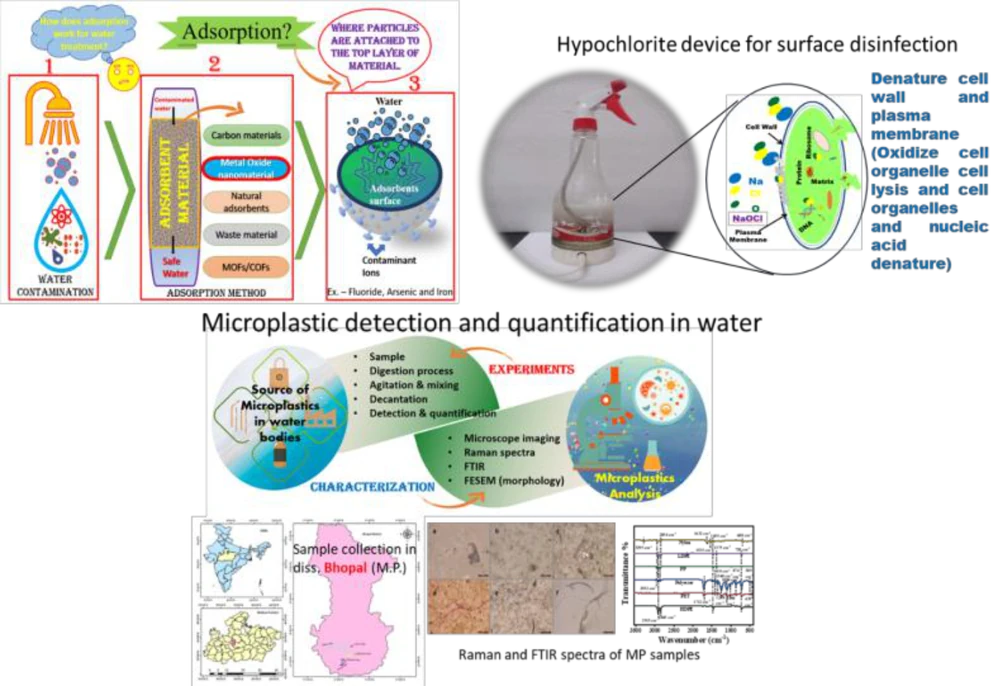 Our lab develops advanced, sustainable materials for water purification, targeting contaminants like fluoride, arsenic, iron, and harmful bacteria (e.g., E. coli) through innovative adsorbents. We’ve also created an eco-friendly hypochlorite device that produces disinfectant from salt and water, offering a cost-effective, chemical resolution for homes, hospitals, and public spaces. Additionally, we study microplastic contamination in water and ecosystems, conducting lab and field analyses, including in the Bhopal region, to understand its impact and pathways and to inform sustainable waste management strategies.